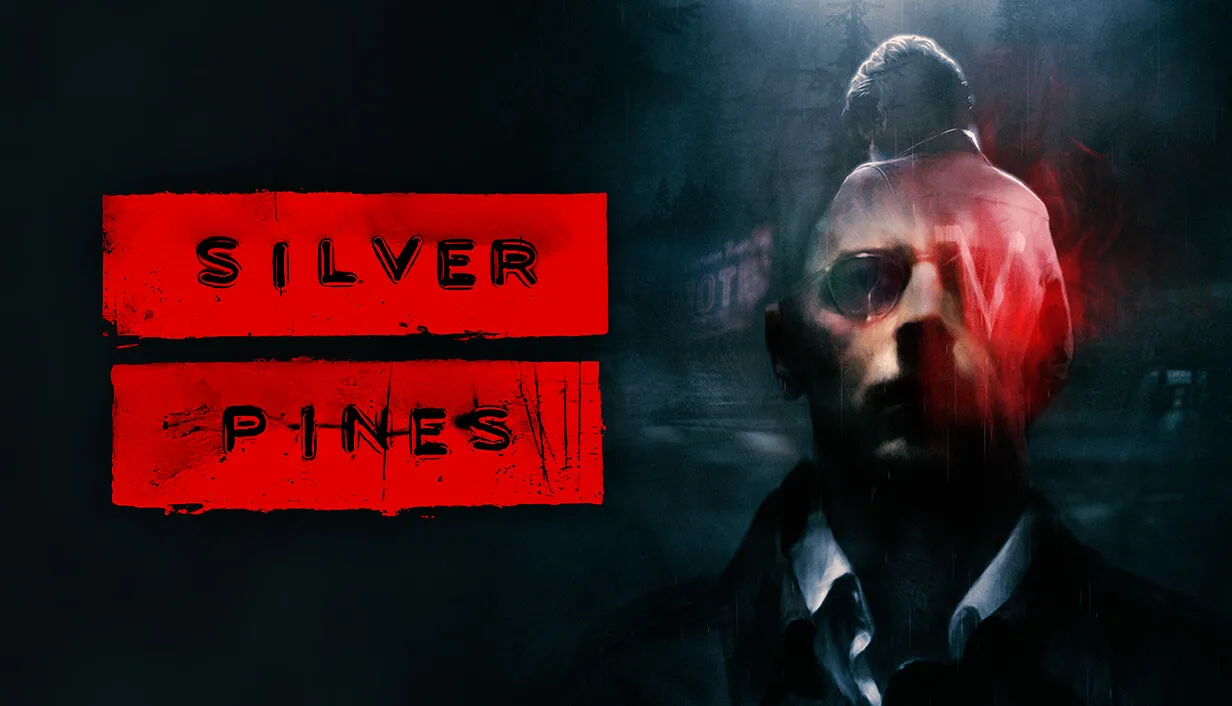
Silver Pines was one of the biggest surprises for me this year. This mysterious adventure game with survival horror elements quickly won me over and became one of my favorite horror games of the year. That's why I was even more delighted when I managed to arrange an interview with its creators from Wych Elm studio. We talked about the game's development, its inspirations, game mechanics, and unique audiovisual presentation.
1. To start, could you please introduce yourselves to our readers and tell us something about Wych Elm studio.
Mattias: We are a small team of five people from Sweden and the UK. Each of us is responsible for many different things, as it's impossible to do it any other way in such a small team. And that's precisely what makes our work so fun!
I, Mattias Snygg, was primarily responsible for animation, script, and illustrations during the development of Silver Pines. Calle Winberg focused on the art direction of the game world, Linus Larsson on the script and game design, Simon Davies on programming, and Karl Flodin on music and sound effects.
We live in different places and all work remotely. But we have a shared video call on all day, so we can at least pretend we're sitting together in the office.

2. Let's start a bit unconventionally. If you had to describe Silver Pines using the titles of five films, video games, or books, which would you choose? You can mix and match media freely!
Linus: I think people on the internet are already doing a much better job of that than I could. Plus, I wouldn't want to offend any of the masters by comparing our work to theirs. But I can mention a few titles that personally inspired me a lot during the development of the game, either directly or indirectly:
- Lost Highway (David Lynch, 1997, film)
- Charisma (Kiyoshi Kurosawa, 1999, film)
- God's Left Hand, Devil's Right Hand (Kazuo Umezu, 1986, manga)
- Labyrinth of the Demon King (J. R. Hudepohl, 2025, video game)
- The Thing (John Carpenter, 1982, film)
3. If I'm not mistaken, Silver Pines is Wych Elm Studio's first joint project, even though some members of your team have previously worked on games like Helldivers 2, The Darkness, or Yoku's Island Express. What did you take away from those experiences? Were there any specific insights, approaches to game design, or development practices that proved particularly useful in creating Silver Pines?
Mattias: Developing games in a large studio, especially if you hold a director or team lead position, is a completely different discipline than working in a small group. It's almost like a different sport.
In a small team where we have creative freedom, we can realize a much more concrete and precisely defined vision. In a large studio, significantly more energy would need to be expended just to get everyone working in the same direction and sharing a common vision.
It is precisely the creative challenges and the search for solutions that we can implement with the means at our disposal that I enjoy so much about independent development. Instead of relying on huge budgets and extensive resources, you have to come up with your own ideas and ways to implement them. And that is immensely fun and fulfilling.
4. Where did the original idea for Silver Pines actually come from? I've already read a bit about the project's beginnings, but I'm primarily interested in how the concept itself evolved during development. How much does the final game resemble your original vision? Were there any fundamental changes, or did you have to abandon ideas you initially wanted to implement?
Mattias: From the very beginning, we knew we wanted to create something in the spirit of surreal and mysterious TV series and films from the early nineties.
Among our first sources of inspiration were Twin Peaks, The X-Files, Jacob's Ladder, and the novels of Stephen King.
During the preparation phase, we spent a lot of time searching for a way to connect the influences of The X-Files and Twin Peaks. In the process, we gradually discarded so many concepts and ideas that they would probably be enough for two more games.
This doesn't mean these ideas were bad. They simply didn't harmonize well enough together.
Ultimately, we decided to lean more towards horror and surrealism, and during development, we gradually found our own distinctive style.
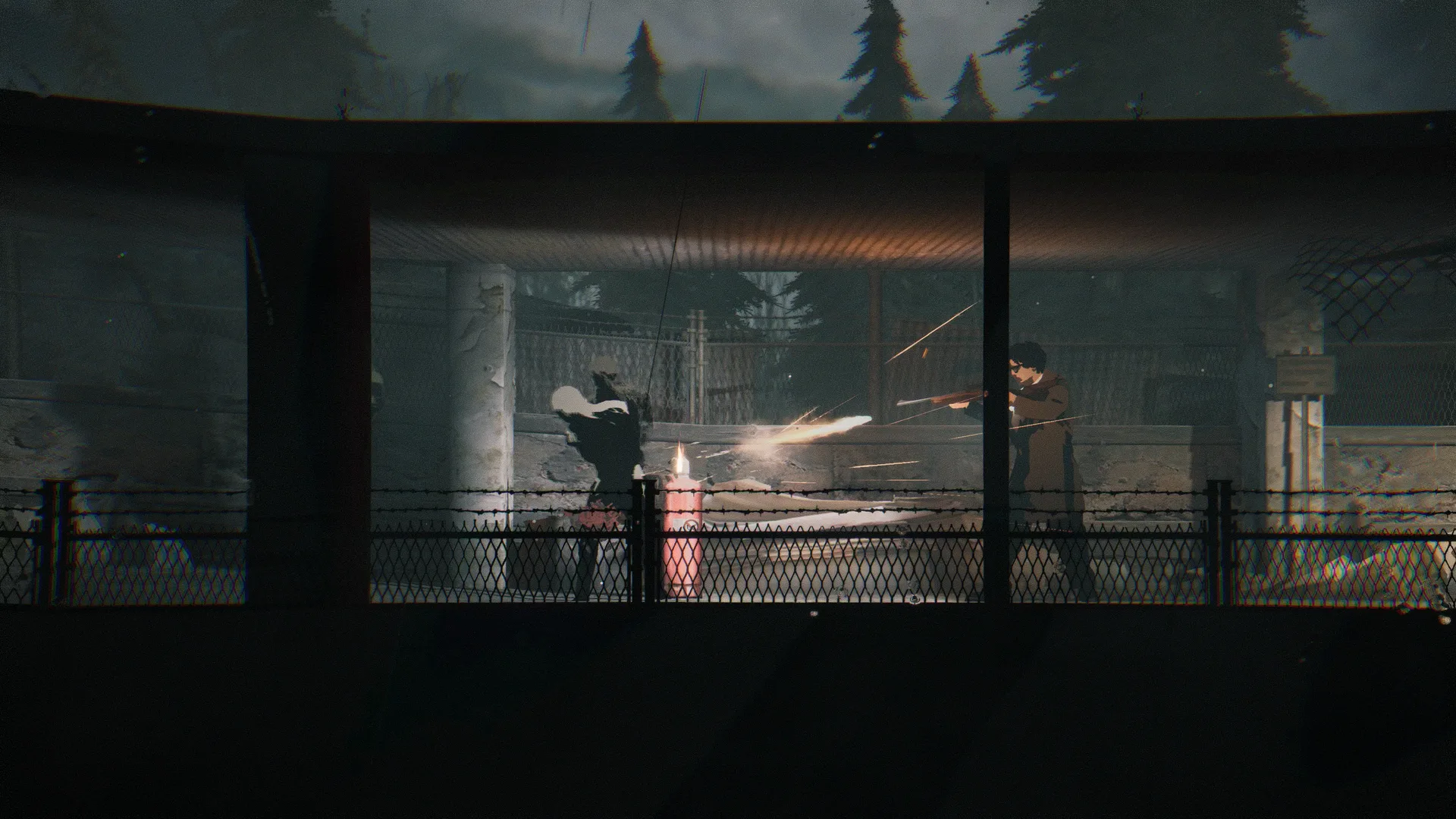
5. I won't lie, Silver Pines is one of the best horror games for me, and actually one of the best games of this year overall. However, when it was first announced, one particular word caused me some concern: metroidvania.
With this genre, I often associate complicated environments, constant backtracking to previously visited areas, and a multitude of items or abilities needed to unlock further paths. Weren't you concerned that labeling Silver Pines as a metroidvania might deter some potential players? After all, it's a rather crowded genre these days, and the term itself can suggest a somewhat more demanding experience.
Linus: We've even been asked a few times not to use this designation. But honestly, I think metroidvania best describes the way you move through the game world and gradually acquire new equipment and tools.
In many ways, our game world is actually a metroidvania tower laid on its side.
At the same time, we realized that our game doesn't offer many elaborate movement abilities or fun mechanics that allow for quick traversal.
Therefore, when designing the environment, we paid great attention to its dimensions. We tried to avoid unnecessarily long journeys and situations where the player has to backtrack through large areas without any reward.
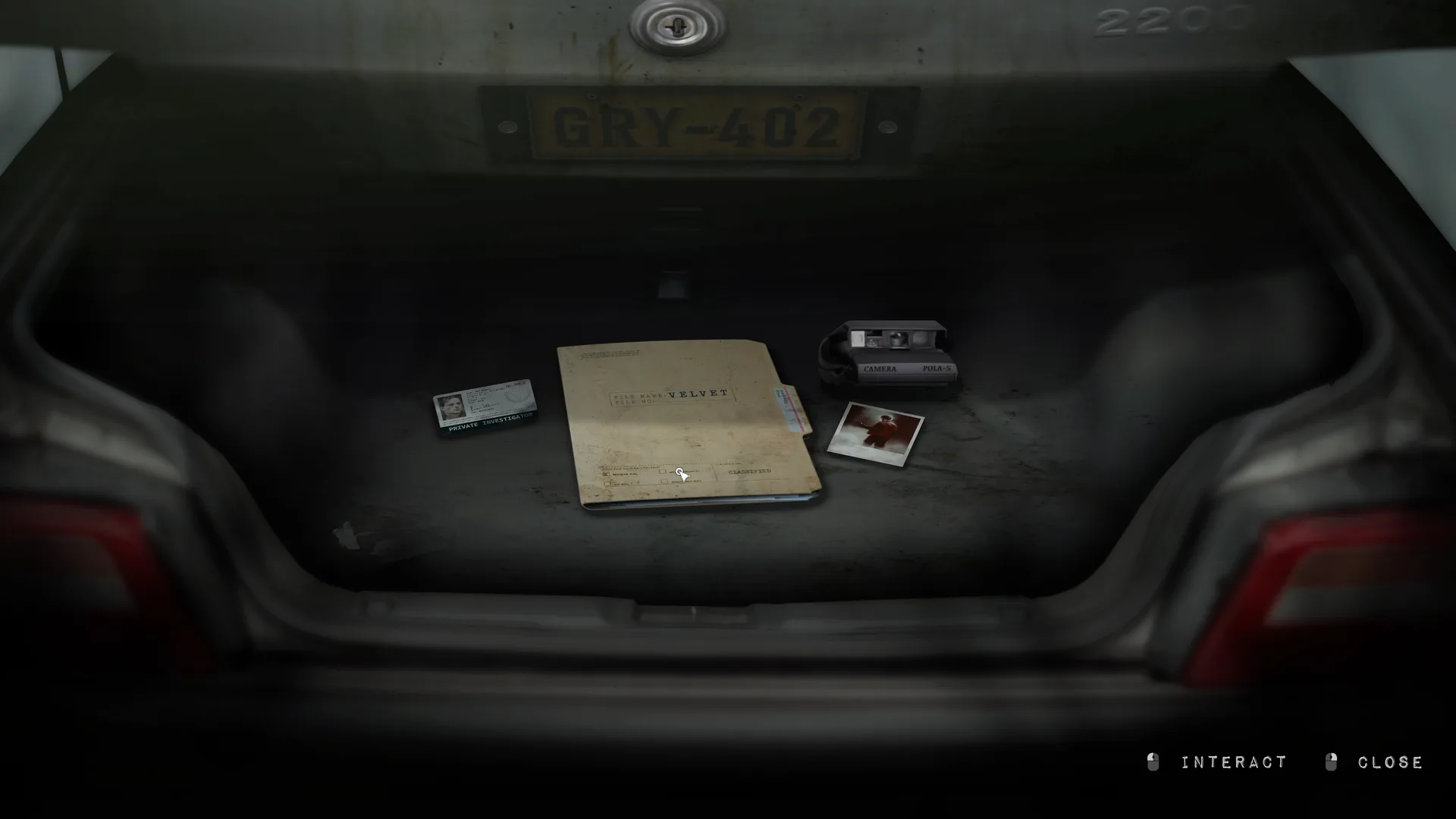
6. Fortunately, my concerns turned out to be completely unnecessary. On Silver Pines, I really grew to like the way the game rewards exploration. Whether I discovered a useful item, a new area, or an important clue, I rarely felt like I was wasting my time.
How did you approach the exploration design? What were your main priorities when creating individual areas, and how did you strike a balance between motivating players to discover things and trying to prevent them from feeling lost or frustrated?
Linus: With every design, I started with a really extensive version of the environment, which I then gradually scaled down during further development.
When creating such small, enclosed worlds that resemble the landscape inside a snow globe, you have to constantly look for the right balance. The environment should evoke the same feeling as the real, vast place it represents, but at the same time, it must work well in terms of gameplay.
To prevent players from getting lost, we've spent a lot of time ensuring that navigating the environment works intuitively even without using a map.
We've tried to make the individual paths naturally lead you where you would expect them to go. Therefore, when designing, we drew inspiration from real-world environments and attempted to make their layout as realistic as possible.
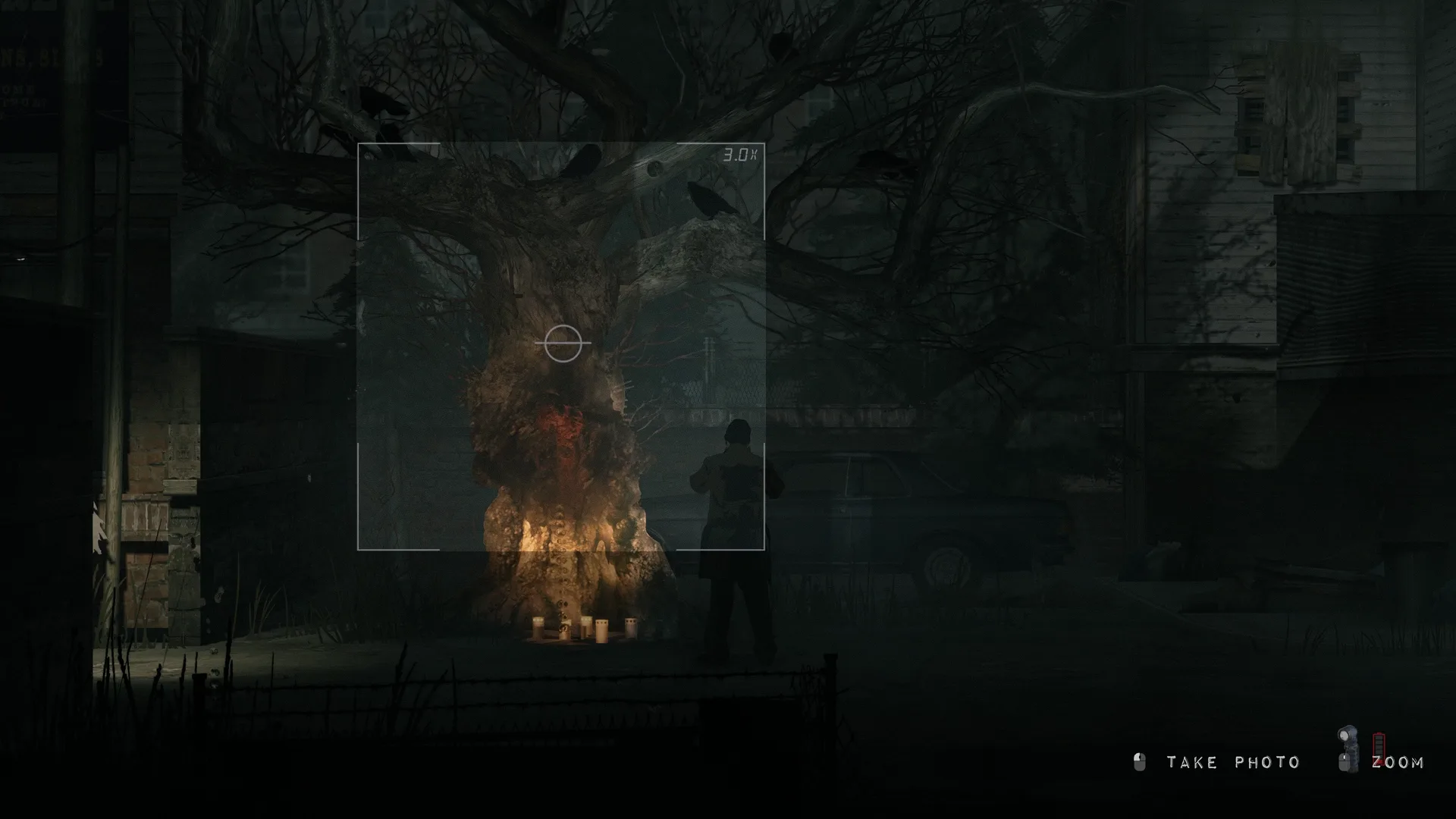
7. Silver Pines also offers several excellent gameplay mechanics, but one I must definitely highlight. It's the ability to photograph important clues and then pin the taken pictures directly onto the map.
Honestly, I'd love to see this feature in every survival horror from now on! It's a simple but incredibly useful idea, especially in a game built on exploration and returning to places that were previously inaccessible.
Where did this idea come from and how did the mechanic evolve during development? Did you intend from the start for it to become such an important part of the detective investigation?
Linus: Our programmer Simon was playing Prince of Persia: The Lost Crown, which features a similar function. However, there it's used more as a puzzle-solving aid.
Simon was very intrigued by this mechanic and thought it could be further developed, as it perfectly fit the idea of the player truly acting as a detective. Instead of impractical markers or written notes, he could get a much more natural tool.
Initially, however, it was very difficult to convince the rest of the team that it was a useful feature. We all knew the game world perfectly, so we couldn't properly assess its benefits ourselves.
We even considered removing it from the game entirely several times.
However, once testers tried it, they immediately fell in love with it. We decided to keep it, and I'm really glad we did. Today, it's one of the defining mechanics of the entire game.
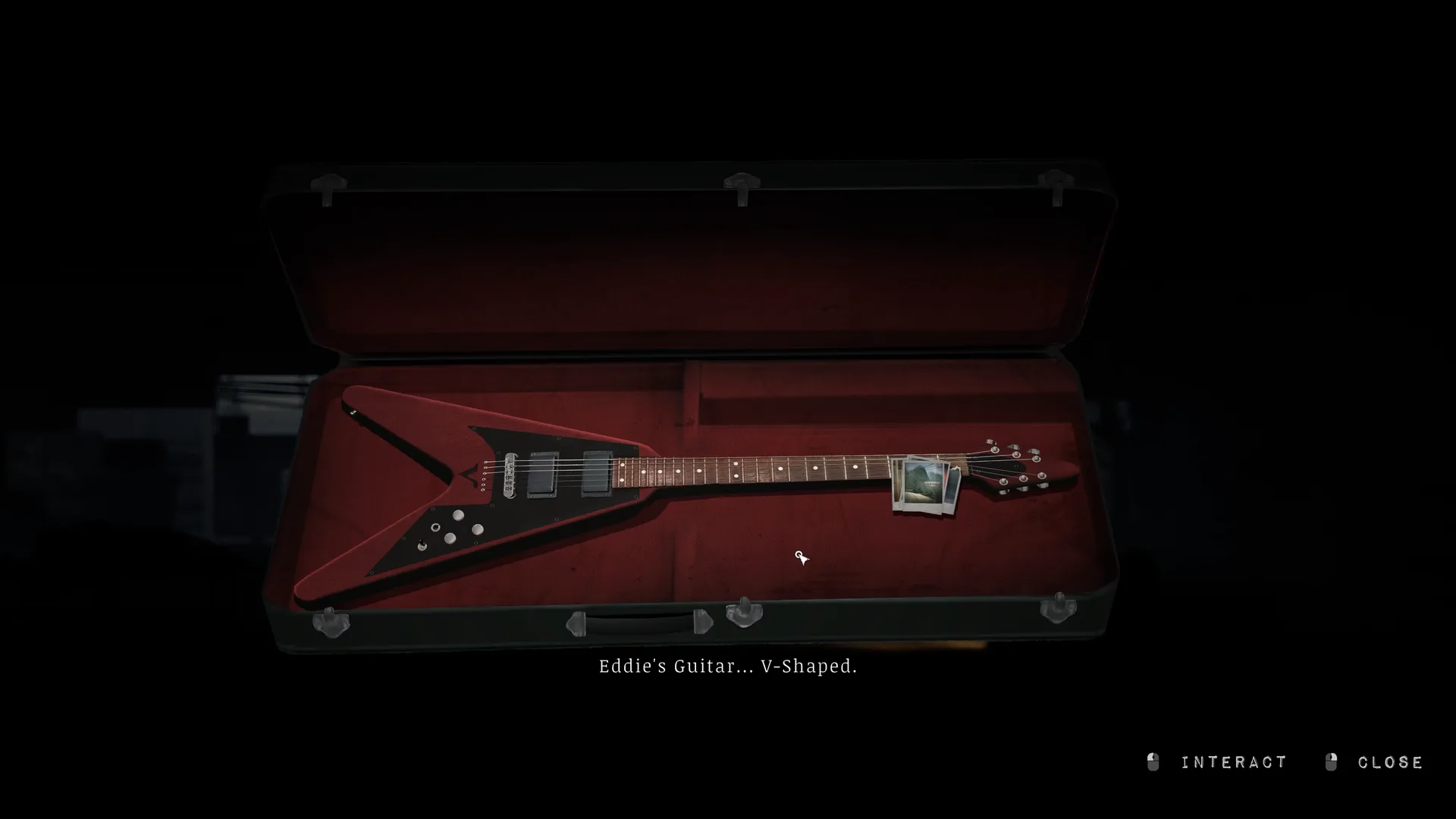
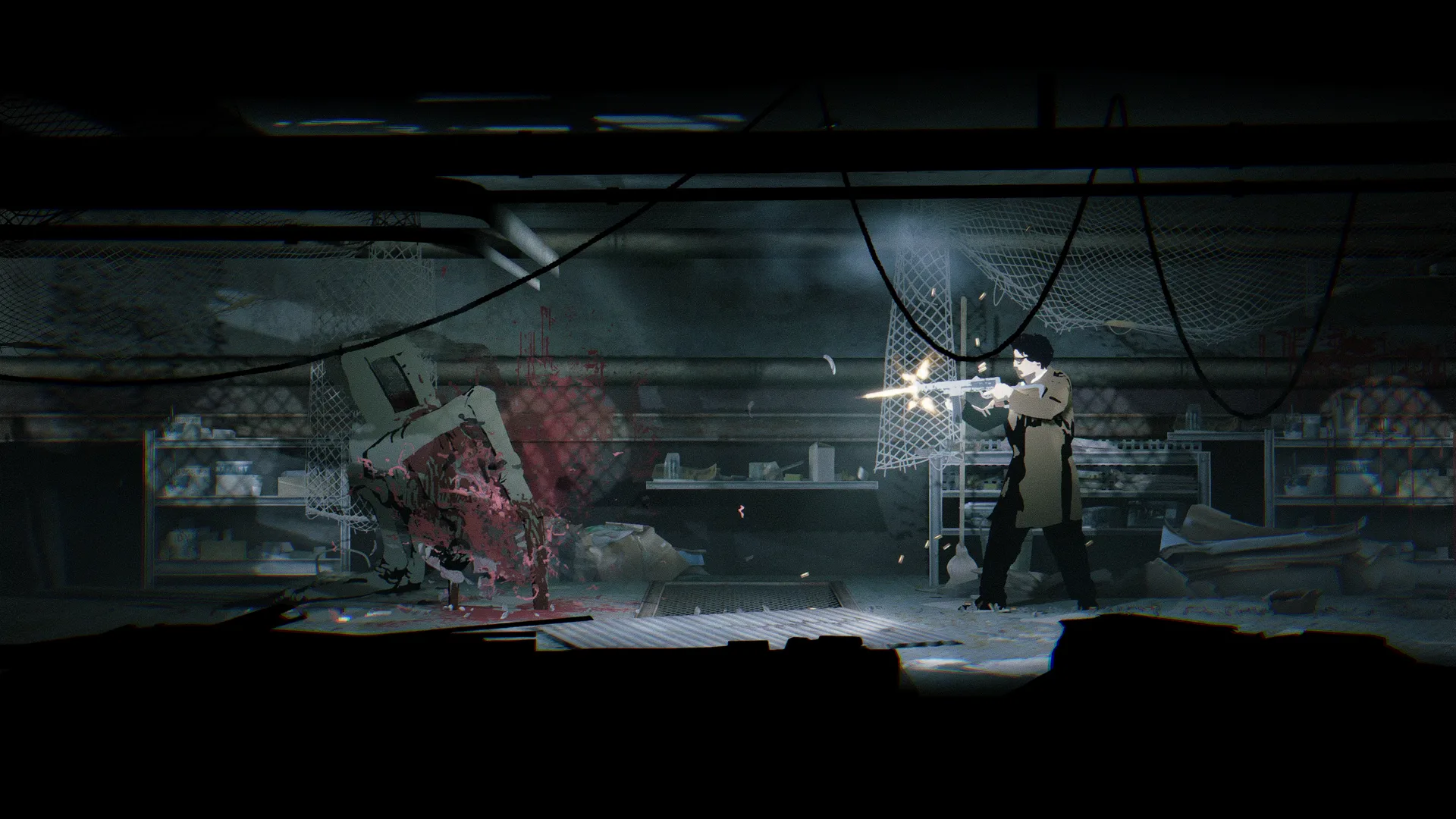
8. Silver Pines is, of course, not just a metroidvania, but also a full-fledged survival horror. It features limited resources, inventory management, and weapon degradation.
I'm particularly interested in your approach to difficulty. I experimented with both easier and harder settings myself, and although the gameplay experience differed quite significantly, I enjoyed both variants, each in a slightly different way.
How challenging was it to balance the individual mechanics so that experienced survival horror fans would get an adequate challenge, but at the same time, the game wouldn't overly deter newcomers?
Personally, for example, I appreciated the way melee weapon durability works. When a weapon gets damaged, you don't lose it completely. You can still use it, but its effectiveness is significantly reduced until you repair it. This felt like a clever compromise between maintaining survival mechanics and preventing unnecessary frustration. Was there an effort to create more accessible systems without losing tension, an important part of your design philosophy?
Linus: In metroidvanias, it's quite common for players to try to achieve 100% completion on a single save file. This also involves a certain collector mentality, where the desire to find and obtain absolutely everything motivates you.
In horror games, on the other hand, we are used to much greater limitations. You often have to replay the entire game if you want to discover all the content.
Ultimately, we decided to lean towards the metroidvania structure because it better suited our vision of exploration and detective investigation.
At the same time, however, we always followed one basic rule when balancing the game: no encounter should be completely free.
Every fight must cost you something. Whether it's spent ammo, weapon durability, or at least the risk of losing health.
9. Silver Pines also contains a relatively large number of puzzles. Some are relatively simple, while others require careful observation of the environment and thorough exploration.
How did you approach the design of the puzzles? Where do you think the line lies between a satisfying challenge and a puzzle that starts to frustrate the player? Especially in a survival horror game, where they also have to deal with enemies and a lack of resources.
How did you try to maintain this balance in Silver Pines?
Mattias: From the perspective of the concept itself, we put a lot of effort into making the puzzles feel like a natural part of the environment they are in. That's what we started from when designing them.
The foundation of our approach to development is a philosophy we call "fantasy first." First and foremost, we think about what experience and what impression we want to convey to the player. And this principle is subsequently reflected in practically all aspects of the game.
Linus: The "fantasy first" approach gives us a lot of creative freedom. Once you discover interesting things in the environment you're trying to portray that the player can interact with, you can start building individual puzzles on them.
For example, at the police station, we have tasks related to a locked evidence storage room, a body storage room, or a back projector in the meeting room.
The difficulty of the puzzles itself isn't that crucial for us. Even a simple task that forces the player to use their brain for a moment can pleasantly disrupt the pace and add freshness to the gameplay.
Variety is really important in this regard.
Furthermore, when determining the difficulty, we try to consider that players don't solve individual puzzles in a vacuum.
Silver Pines is not a classic point-and-click adventure where you can focus 100% solely on solving logical problems.
Here, you are simultaneously exploring a rather complicated game world, managing limited resources, and having to deal with terrifying monsters.
All of this needs to be taken into account when designing the puzzles.
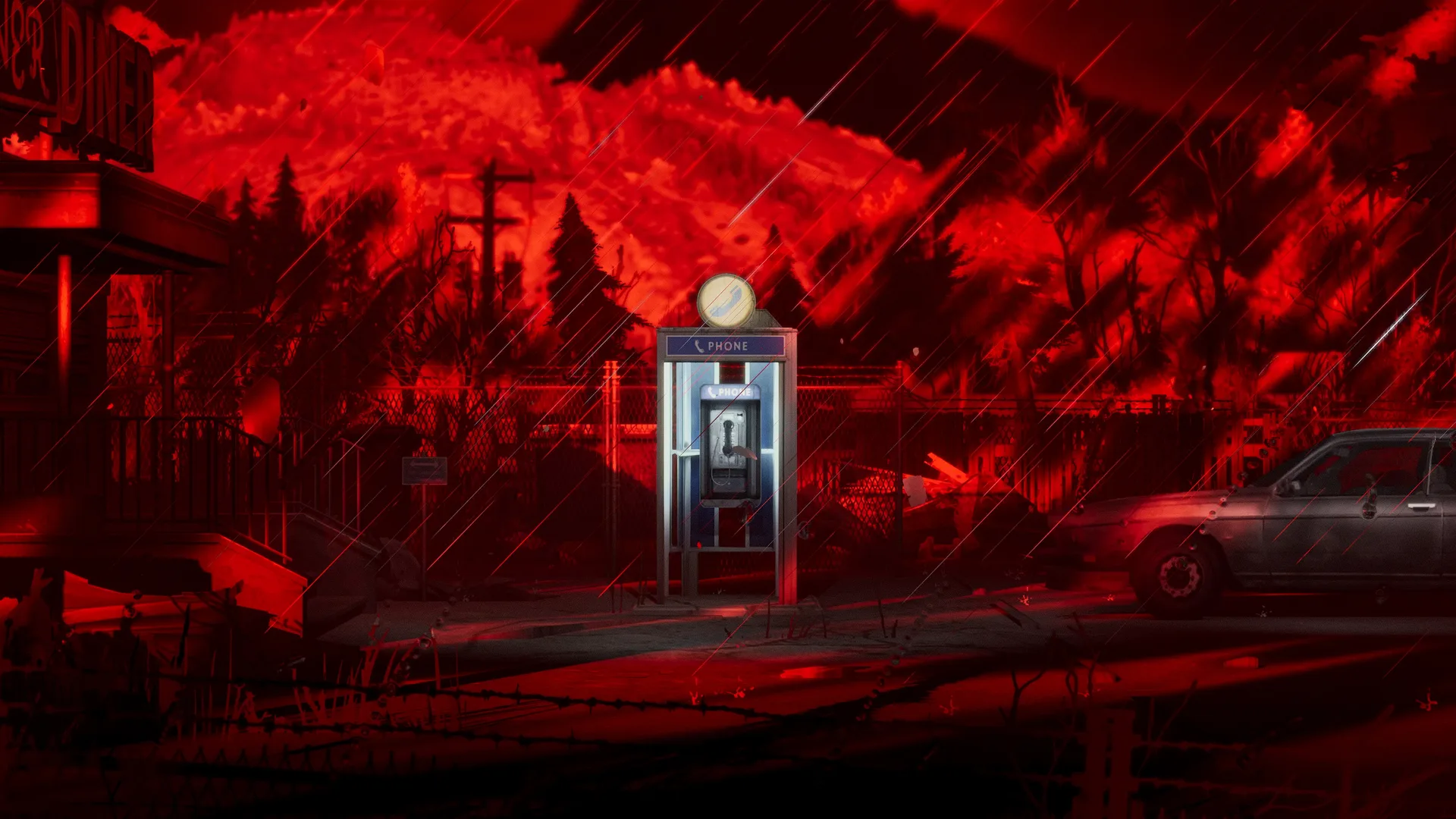
10. Several weeks have passed since the game's release, and Silver Pines contains many optional secrets, hidden interactions, and small discoveries that players might easily overlook.
Is there anything in the game that you are particularly proud of, but players haven't talked about much yet, or perhaps haven't discovered at all? Of course, without major spoilers if possible.
Conversely, has anything surprised you about the way players approach the game? Whether it's unexpected solutions, interpretations of the story, or reactions that you didn't anticipate during development?
Mattias: I've noticed quite a lot of speculation and theories online, which is incredibly satisfying for us as creators.
However, we definitely don't want to confirm or deny anything. The game is already living its own life, and it's entirely up to the players what they take away from it and how they interpret its story.
We've left quite a few small clues and hints in it. And many of them are still waiting to be discovered.
Linus: I'm a bit surprised that players aren't delving deeper into some characters in their theories.
On the other hand, it's wonderful to see how deeply people are willing to go when interpreting the story.
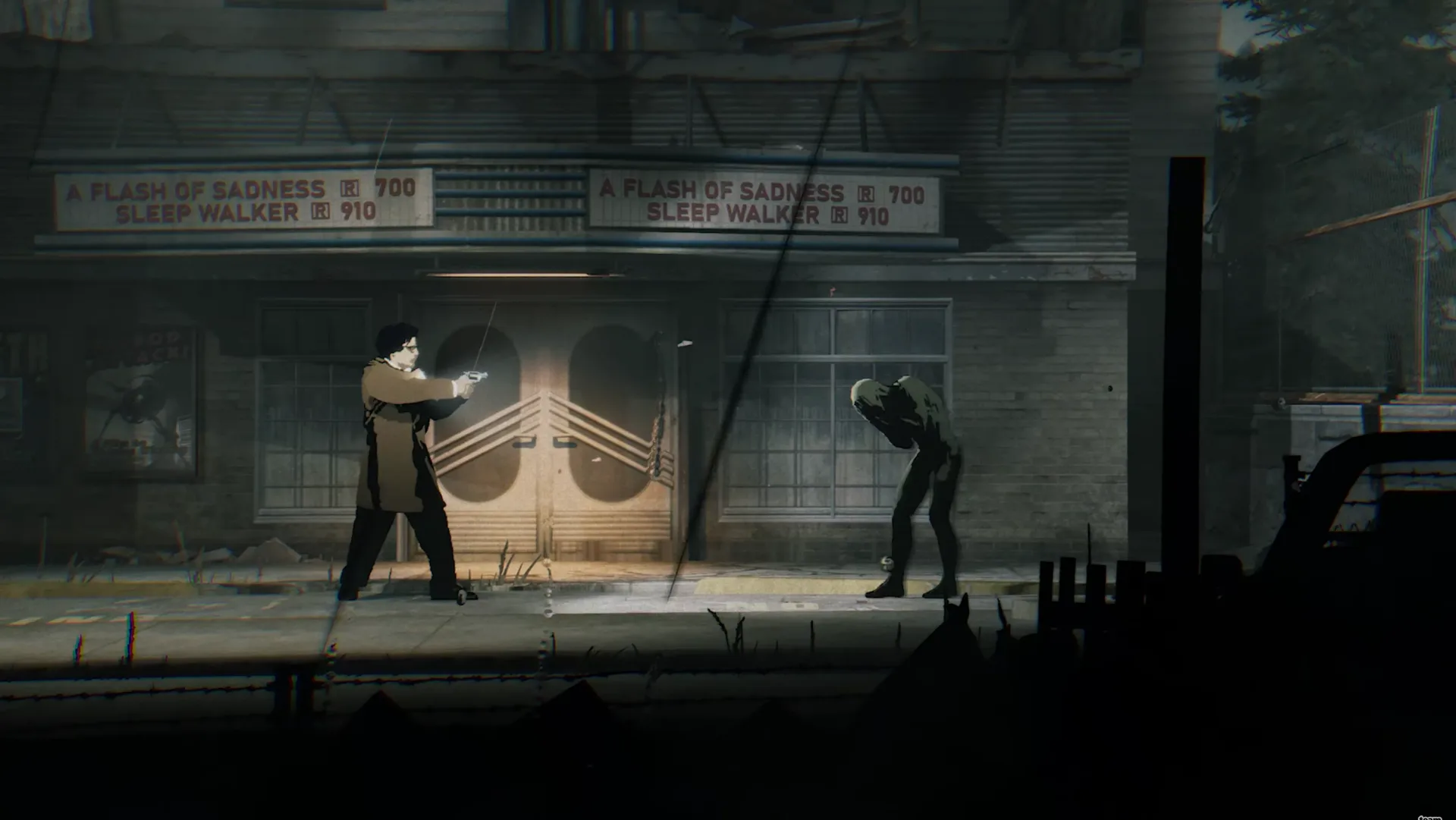
11. I can't help but ask about the story itself. When Silver Pines is mentioned, it's almost always compared to Twin Peaks. However, for me personally, the game was much more reminiscent of Lynch's Lost Highway, especially in how it deals with identity, reality, and an increasingly dreamlike atmosphere.
Besides these rather obvious inspirations, I'm curious about what other works influenced the scriptwriting and the overall direction of the story. Were there specific films, books, or other media that had a more significant impact on the final narrative?
Mattias: These inspirational sources you mention were primarily present at the very beginning of development. I would also add Jacob's Ladder to the list.
However, once we started to flesh out the environment and story in more detail, their importance gradually diminished.
We tried to let the game start to shape its own form and identity.
Given how much time we spent developing the original concept, we eventually had to abandon a great many ideas.
The true quality of an idea is not only recognized by how interesting it is in itself, but primarily by how well it works with other ideas and how well it fits into the overall direction of the project.
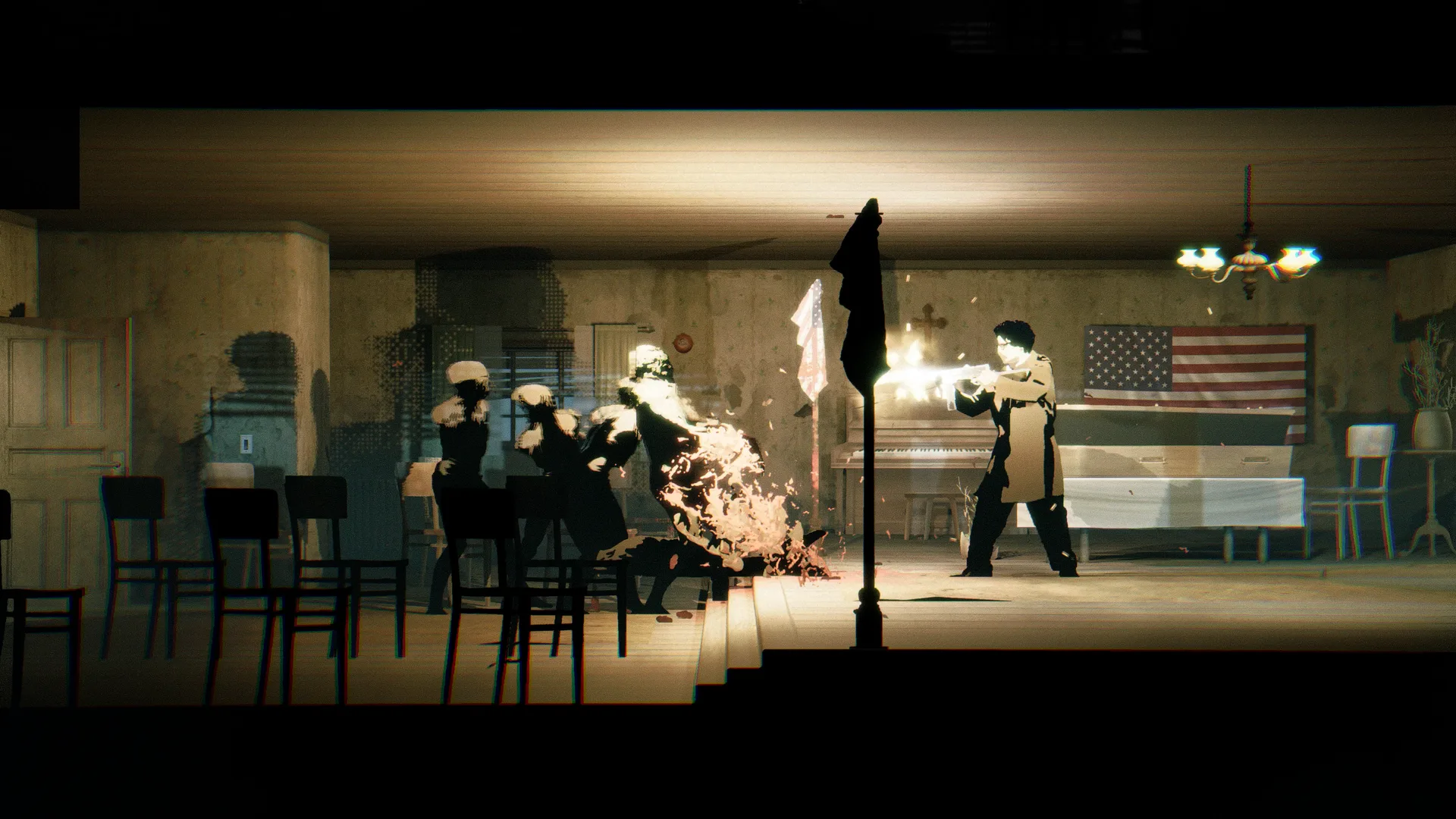
12. I'd also like to ask about your general approach to the horror genre. Do you think one of its greatest strengths is precisely the freedom to combine different genres, ideas, and narrative techniques?
After all, Silver Pines doesn't always feel like a classic horror game, but rather a surreal psychological journey into the protagonist's disturbed mind. Some moments have a strangely melancholic or even dreamlike atmosphere, rather than trying to directly scare the player.
Was this combination of horror, mystery, and psychological drama something you wanted to achieve from the very beginning? And what fascinates you personally most about creating horror games?
Mattias: Of course, we try to genuinely scare the player at certain moments. At the same time, we work with the natural tension that arises when the player is at a disadvantage and never knows exactly where the next danger will come from.
This tension is a great engine for the entire experience. It energizes the adventure and motivates the player to keep going.
At the same time, it also creates space for other things.
In a suspenseful game, you have to be careful not to overwhelm and exhaust the player with a constant influx of dangerous situations. If such moments were to repeat without interruption, they would gradually start to feel monotonous.
This is precisely when other activities, such as interacting with characters or solving puzzles, become appropriate.
And these elements can serve as a means to tell practically any story.
That's why horror strikes us as an incredibly versatile and interesting genre. It allows us to tell stories not only through adventure and action, but also through much calmer moments.
Moreover, a large part of the experience is based on the player themselves.
We therefore leave it up to them how much they want to delve into content that goes beyond the basic steps necessary to complete the game.
And I think this kind of freedom is very beneficial for the game.
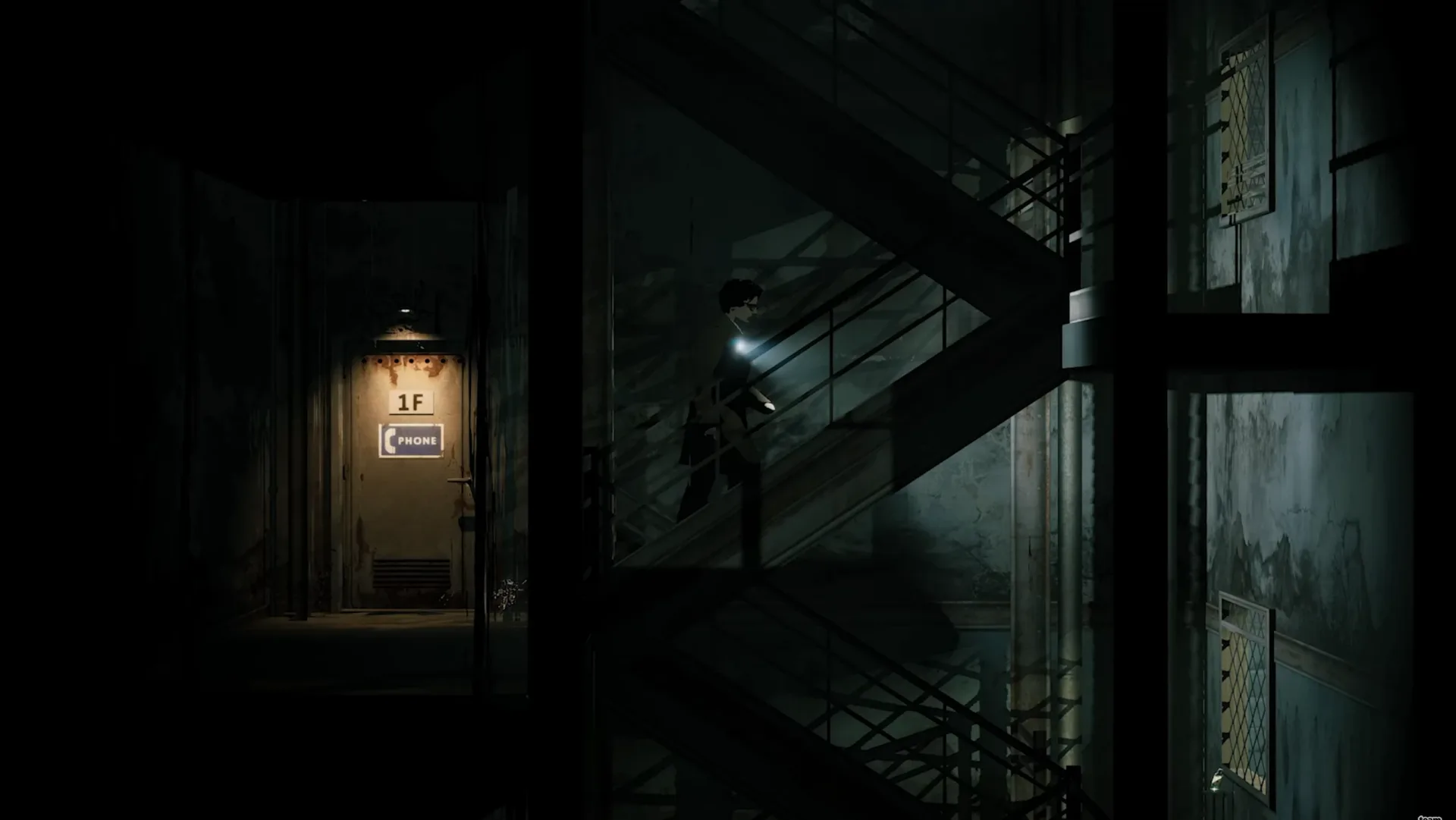
13. The next thing I must definitely praise is the visual presentation. Silver Pines looks absolutely gorgeous. At times, I felt like I was walking through a beautifully illustrated nightmare that was both deeply disturbing and strangely fascinating.
I know you've talked about using rotoscoping and combining different artistic techniques in the past, but this time I'm primarily interested in the artistic decisions that led to the final look of the environments.
How did you arrive at the distinctive color palette, lighting, and overall visual identity of the game? And when creating the town itself, how did you balance a believable environment with its surreal, almost otherworldly atmosphere?
Calle: Thank you, that's really nice to hear!
The visual identity of the game world underwent an interesting development, during which we tried to connect several important aspects of the entire experience.
We placed great emphasis on a somber, realistically conceived color scheme and a believable art style. It is precisely this credibility that creates a contrast with the surreal elements.
Not only in the visual aspect, but also in the gameplay itself, we first wanted to create a clearly defined, realistic-sounding foundation, thanks to which even the smallest oddities would stand out.
This also allowed us to avoid a kind of race for intensity, where everything would have to be constantly more and more surreal, pronounced, and exaggerated.
The same philosophy is reflected in the game's pacing. We wanted to give individual moments enough time to feel natural.
After all, the abandoned city itself, in which no one is, has a certain dreamlike and surreal quality to it.
The gloomy colors, dark lighting, and overall grittiness of the environment further help create a world where demons and darkness naturally belong.
Thanks to this, they don't feel like some foreign force that violently invaded the environment, but rather like a natural expression of the world itself.
14. I would also like to highlight Karel Flodin's excellent soundtrack. If possible, I would be happy if he answered this question directly.
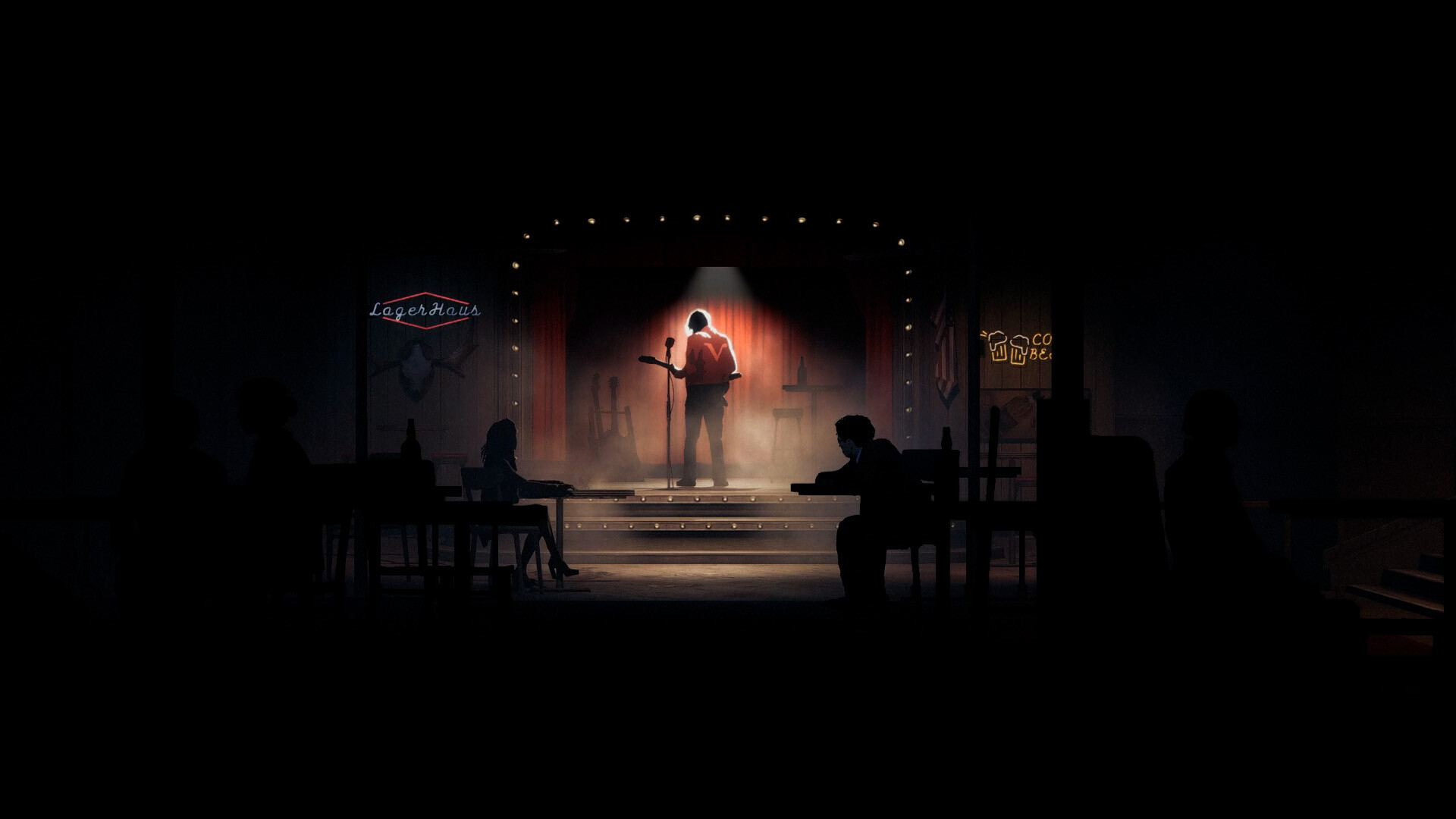
What particularly struck me about the music was how distinctly it differed from classic survival horror soundtracks. It doesn't rely solely on unsettling ambient tracks but also offers dreamy, melancholic melodies and a surprisingly diverse range of musical styles. For instance, there are rock songs that fit perfectly into the setting of the local diner and other locations.
How did you approach creating the soundtrack? What were your main musical inspirations, and how did you use music to support the unconventional blend of horror, surrealism, and melancholy?
I'm also curious about how you decided when the music should take center stage and when it's better to let the atmosphere and ambient sounds speak for themselves.
Karl: I joined the project quite early, when it was still in the experimental prototyping phase, during which we were trying out different approaches to gameplay, story, and overall atmosphere.
It was therefore completely natural that I also started experimenting with many different musical ideas.
I like to create a large number of demos, even very simple ones, but as diverse as possible in terms of style.
This allows you to try them out directly in the game at an early stage and see how the music works in conjunction with the gameplay.
It was precisely this approach, along with constant discussions with the rest of the team and ongoing testing, that gradually shaped the final soundtrack.
In the same way, we also decided how much attention the music should draw to itself at individual moments.
Everything actually developed quite naturally. We played a lot and observed how individual situations affected us.
I think the use of a large amount of diegetic music, i.e., pieces that actually exist within the game world and come from, for example, cassette players, radios, or televisions, also helped us a lot.
Thanks to this, we were able to work with a much wider range of moods. Additionally, this gave us space for some musical demos that we probably would have discarded otherwise.
These tracks also create an interesting contrast with non-diegetic music, meaning the classic musical underscore, which focuses more on horror atmosphere and ambient compositions.
We also paid great attention to the story and individual characters.
For example, we thought about when to use certain musical motifs or ideas associated with specific characters. Sometimes their motif even appears in a scene where the character doesn't appear at all, because this way we can subtly emphasize a certain part of the narrative through music.
Regarding musical inspirations, I didn't have any specific models I wanted to create the soundtrack based on.
I primarily drew from the same sources of inspiration as the rest of the team, but personally, I never try to directly model my music after a specific work.
My creative process is mainly based on improvisation.
I usually record various musical ideas and improvised passages, which I then edit, cut, and gradually refine.
Practically every track in the game was created this way.
It's usually a very spontaneous and unplanned process. When I play, I just record whatever comes to mind. Only later do I listen to the individual recordings again and start thinking about which ideas might fit where.
Thank you for the interview and we wish the creators many more successful projects!